
Description
REACTASTICK™ BY CHEMSEE · CS-DIP-SFD
Sulfide ReactaStick™ Detector
Sulfide compounds are used in leather processing, pulp and paper production and wastewater treatment. Testing helps investigate unexpected chemical presence or process carryover. ReactaStick screens prepared food and liquid samples through a gray-to-black color comparison at 3 minutes.
This focused chemical screen helps identify samples that warrant further investigation. Each pack contains only the selected detector type.

Gray to black · Semi-quantitative color comparison
Why choose ReactaStick™?
Visible results
Gray to black response without an electronic reader.
Focused screening
Select sulfide for a defined chemical question in a compatible prepared sample.
Flexible pack sizes
Order the quantity you need, with the reference card and instructions included.
A simple visual testing overview
1 · Dip
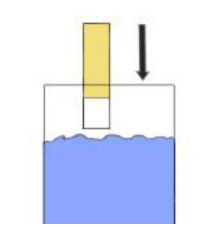
5 seconds
Dip the sensing area into a compatible prepared liquid sample.
2 · Develop
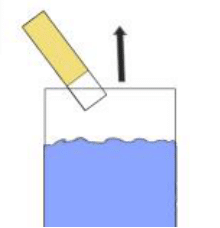
Color development
Remove the detector and follow the included timing and orientation guidance.
3 · Compare
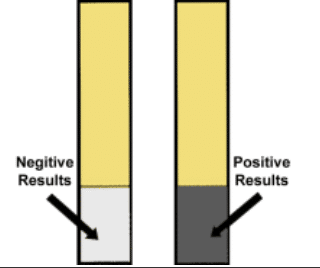
Read at 3 minutes
Compare the developed response with the reference for this detector.
A brief overview. Use the illustrated instructions included with your detector for sample preparation, orientation and complete operating details.
Color interpretation
An approximate concentration category from visual color comparison of the prepared sample.
Use the matching reference card for this detector. Color comparisons are screening guides; interpret them in the context of the prepared sample.
Contents and storage
Your selected pack includes sulfide detectors, a matching color reference card and illustrated instructions. Shelf life is 12 months; follow the labeled expiry. Store at room temperature or refrigerate, and reseal airtight after opening.
Download the Sulfide ReactaStick™ brochure (PDF)
For preliminary chemical screening of compatible prepared samples. Sample composition and preparation can affect the response. Results support further investigation and do not by themselves establish food safety.